"It clicks, it lights, and then it goes out"
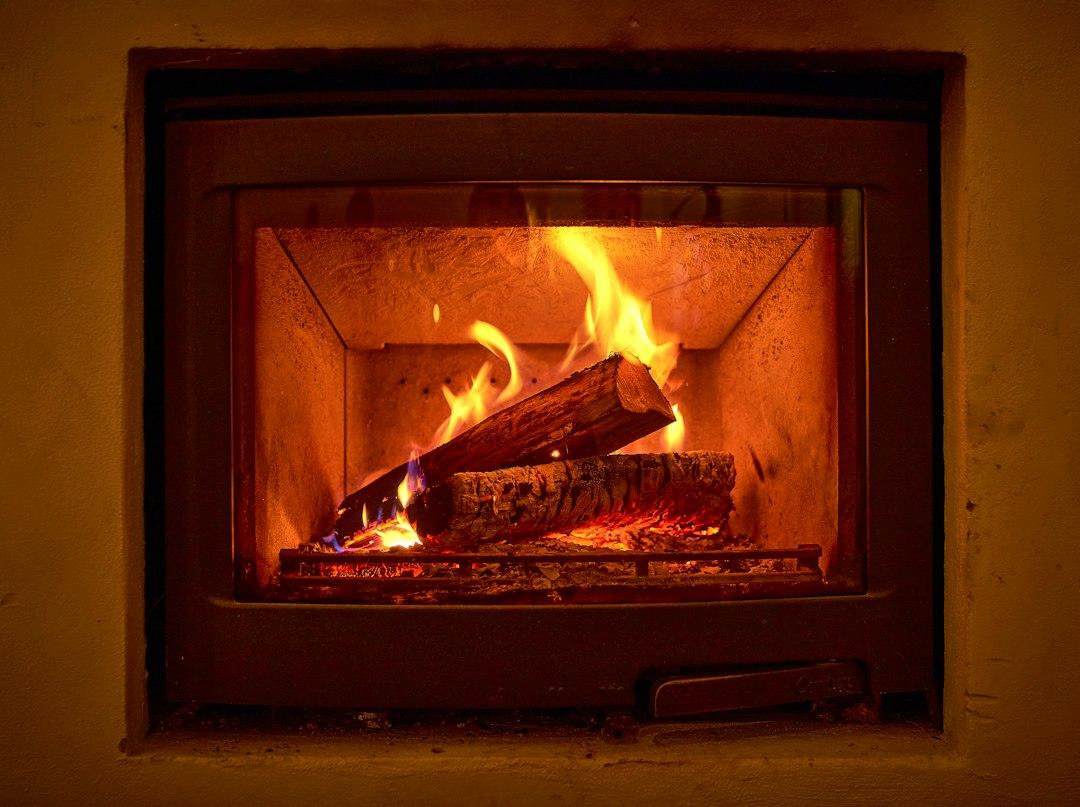
Callers tell us about a struggling gas unit in several ways. The pilot flickers on, then quits within seconds. The burner lights but the flame is tall, orange and ragged. The glass turns gray or black after a few evenings. The room smells sharp, a bit like a car exhaust, while the unit runs. Or the fireplace simply sits there with the switch on and nothing happens.
Every one of those can be repaired. The question Sims Chimney Sweep is asked most often in South Gate is whether repairing is the sensible money, or whether the unit has reached the point where a new insert serves the house better. Here is how we help owners decide.
Faults that are usually worth fixing
Most gas fireplace trouble comes from a few small parts that wear out with heat or get fouled by dust and spiders over the summer.
- A pilot that will not hold. The little sensor that proves the pilot is lit weakens after years in the flame. When it can no longer tell the valve "the pilot is burning", the valve shuts the gas off. Replacing that part is a modest job on most units.
- An igniter that clicks without lighting. Usually a worn electrode, a loose wire or a pilot opening blocked with debris.
- A ragged or orange flame. Dirty burner ports or logs set back in the wrong places after a cleaning. Flames that hit a log where they should not burn incompletely, which is where soot on the glass comes from.
- A blocked vent. Birds and wasps like the warm termination outside. A partly blocked vent makes the flame lazy and can push exhaust back into the room.
- Remote or wall switch faults. Batteries, receivers and wiring, all cheap compared with the unit.
On a unit that is otherwise sound and less than a couple of decades old, these fixes keep it running for many more seasons. Our gas fireplace repair visit finds which one it is.
Signs the unit may be past repairing
Some findings tip the balance toward replacing.
- Parts are no longer made. Older units from makers that have left the market can turn a small repair into a hunt. When we cannot source a safe part, we tell you so plainly.
- The firebox or burner pan has rusted through. Rust that eats the metal under the burner is not a part swap.
- A cracked glass front or failed seals on a sealed unit. Repairable on many models, but on an aging unit it is often the first of several.
- Gas logs in an open masonry fireplace that you want to heat the room. Logs in an open firebox send much of their warmth up the chimney. If heat is the goal, no repair changes that.
- Smoke or fumes from an old flue. A gas log set relies on the masonry flue above it. If that flue is cracked or the wrong size, the fix sits in the chimney, not the burner, and an insert with its own liner can answer both problems.
What each path costs
| Path | Price |
|---|---|
| Look over of the unit, the vent and the chimney top | $57 |
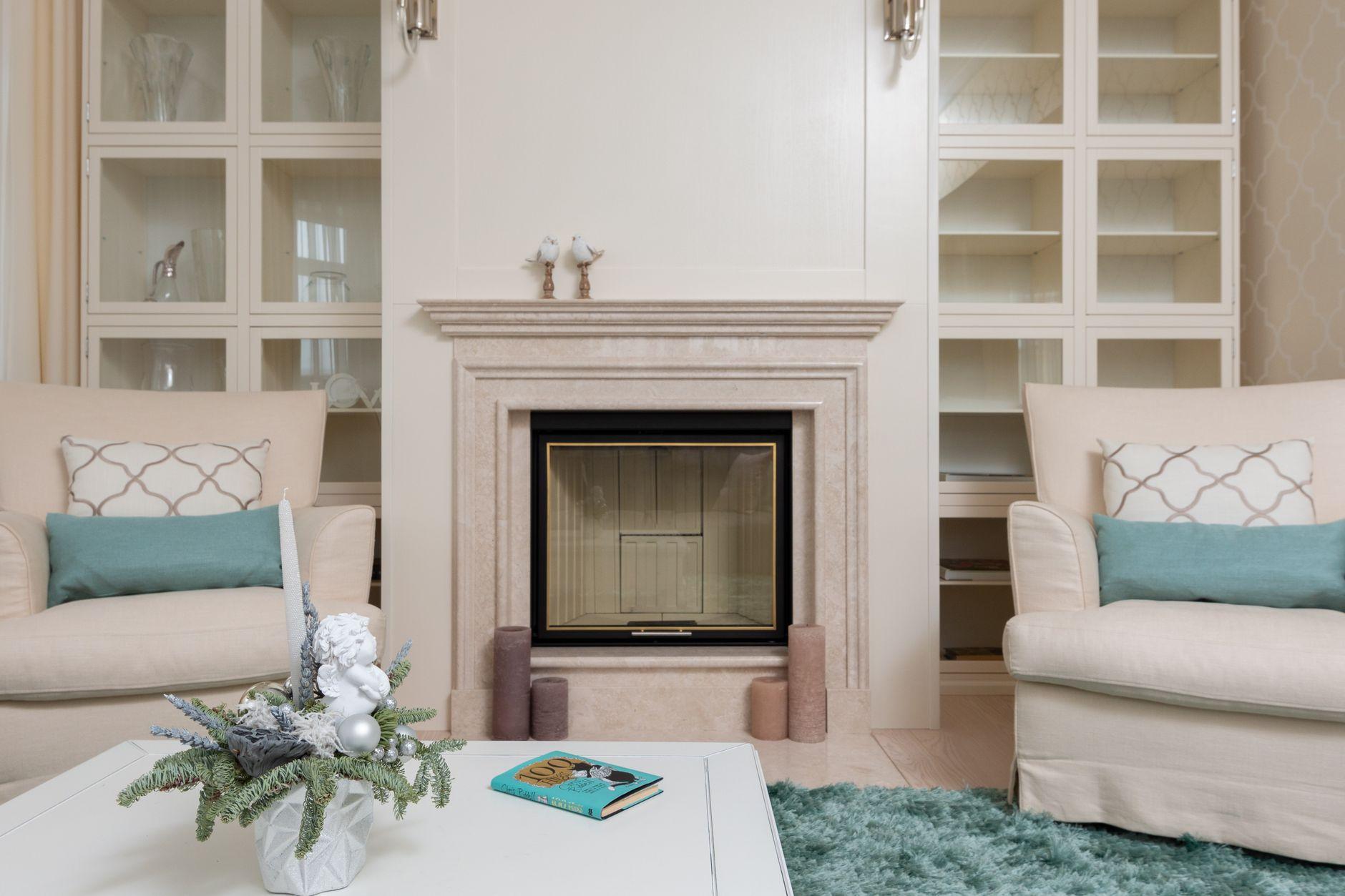
| New insert in your masonry opening, with its own liner to the top | $2,900 to $5,850 |
| Repair parts and labor on the existing unit | written figure after diagnosis |
Repair costs swing with the part and the model, so we give you the figure after we have found the fault, and nothing is replaced until you say yes. The insert range runs from a basic heater with a plain front to a larger unit with a fan, decorative surround and remote. Our fireplace inserts page lists the options.
The quickest start is to send the make of the unit and what it does when you turn it on. The brand plate is usually behind the lower grille or on the underside of the control panel. Knowing the model lets us check part availability before we arrive.
The fume question
A gas fireplace that is burning properly gives off water vapor and carbon dioxide, and its exhaust leaves the house through the vent or the chimney. When the burner is dirty, the logs are out of place or the vent is partly blocked, the flame burns less completely and some of what it makes is carbon monoxide. That gas has no smell, so the sharp smell owners notice is a sign of poor burning, not the carbon monoxide itself.
On every gas repair visit we measure carbon monoxide near the unit while it runs, before and after the work, and write both readings down. A carbon monoxide alarm in the room or the hallway outside it is the device that warns you between visits.
A smell of rotten eggs is different again. That is the odor added to natural gas, and it is not a repair visit. Nobody should flip a switch or light anything. Once everyone is out in the yard, the gas utility is the call to make, and we can come back after they have made the line safe.
How we help you choose
Owners rarely want a sales pitch for a new unit when a small part would do. So the visit runs in a set order: find the fault, price the repair, then say honestly whether that repair is likely to be the last one for a while. If the unit is young and the part is cheap, we fix it. If it is old, rusting and short of parts, we show you what we found and price the insert next to the repair so you can compare.
For houses where the open fireplace has always smoked, the comparison often favors the insert. A sealed box with its own liner run to the top changes how the whole chimney draws. Our post on what a smoky fireplace costs to fix sets that next to the cheaper fixes.
Where we take gas calls
Sims Chimney Sweep repairs and replaces gas fireplaces in South Gate, Hawthorne and nearby Los Angeles neighborhoods. If yours is acting up, describe what it does on our contact page and we will arrange a visit.
Fire Still Not Drawing Right?
Sims Chimney Sweep handles smoky rooms, soot smells and stubborn gas fireplaces from South Gate. Use the contact page to tell us what the fire does, and we test the draft and the air in the room on the visit.